-->

What You Need to Know About Architectural Education to Become a Good Architect – 10 Reasons Why the Studio System Matters

15.05

2023

With changing eras, the development of cities and technologies, and the growing societal demand for high-quality living environments, the role and function of the architect have evolved. In the 21st century, an architect is no longer simply a craftsman who “draws” buildings, but a visionary who shapes the future. This profound shift in understanding who an architect is in modern society requires new knowledge and skills—and therefore a new approach to architectural education.

Over the past decades, teaching systems in architectural schools have undergone significant changes. Architecture universities in Europe and the United States have adopted a studio-based learning system, which emerged as a response from the architectural community to contemporary challenges and as an adaptation of architectural education to society’s demand for fostering new values of shared use, engagement, and innovation.

Currently, in Ukraine, the Kharkiv School of Architecture is the only institution preparing Bachelor’s students in architecture using the studio-based system. Other schools and universities have yet to adopt this approach, but we believe it is increasingly essential today. In this article, you will find 10 reasons why the studio system is more relevant than ever and what it provides students upon graduation.
What Is Studio Culture?

Perhaps the main characteristic of architectural thinking is the ability to synthesize information from different disciplines and fields of knowledge. This synthetic problem-solving ability is best developed through studio-based design learning. The studio is the central component of architectural education programmes: it is a space where students research, test, develop, and present design proposals, synthesizing material from various sources and across multiple disciplines within the curriculum.

Studio culture encompasses a range of aspects of design education: classroom sessions and group meetings for discussing ideas, studio problems, and assigned readings; individual consultations, which are perhaps the most defining element of studio teaching; studio reviews of varying levels of formality, sometimes involving external critics; and, finally, personal studio time, during which individual or group projects are developed and created. Each of these stages follows its own methodology and assessment criteria.

1. Space Matters. What Is a Studio Space?

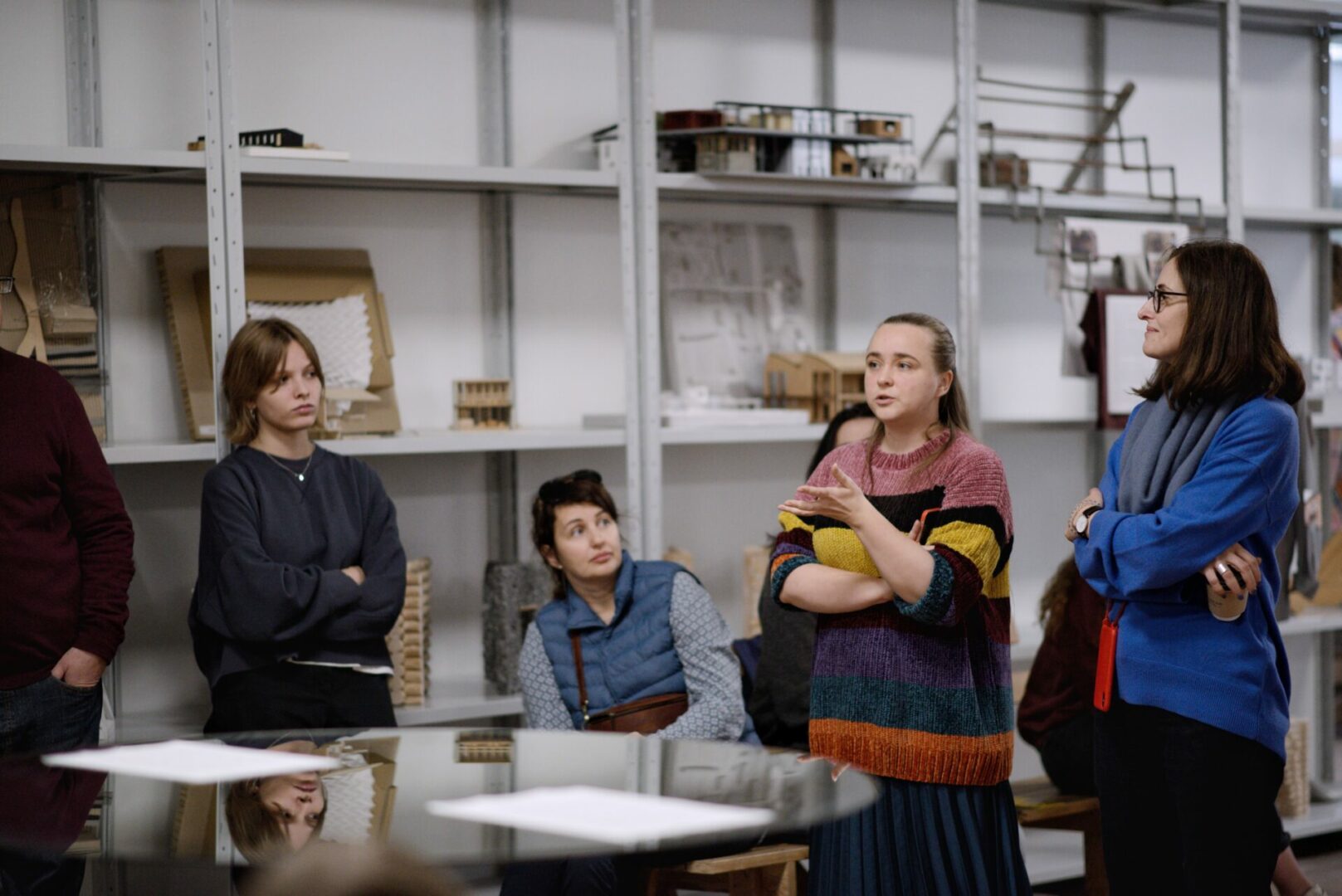
Architecture students have a special relationship with their schools. They spend countless hours researching, designing, discussing, presenting, attending courses, consulting, socializing, and relaxing. All of these activities take place in the studio—a specially designed space where each student has a dedicated workspace assigned to them for the entire duration of their studies.

This learning environment closely resembles the real workflow of an architectural office, where many professionals interact constantly while maintaining their own areas for creative work. The studio format prepares students for the real challenges of professional life as architects.

2. The Studio as a Second Home – A Place of Daily Work

The studio is a student’s “home base” at the School. Ask experienced architects who graduated from Ukrainian universities about their student design experience, and they will tell you funny stories of how their parents’ apartment or a dorm room would turn into one large workshop, leaving no space for anything but models. There are even tragicomic tales of models getting damaged while being transported on crowded buses or subways for reviews and exams.

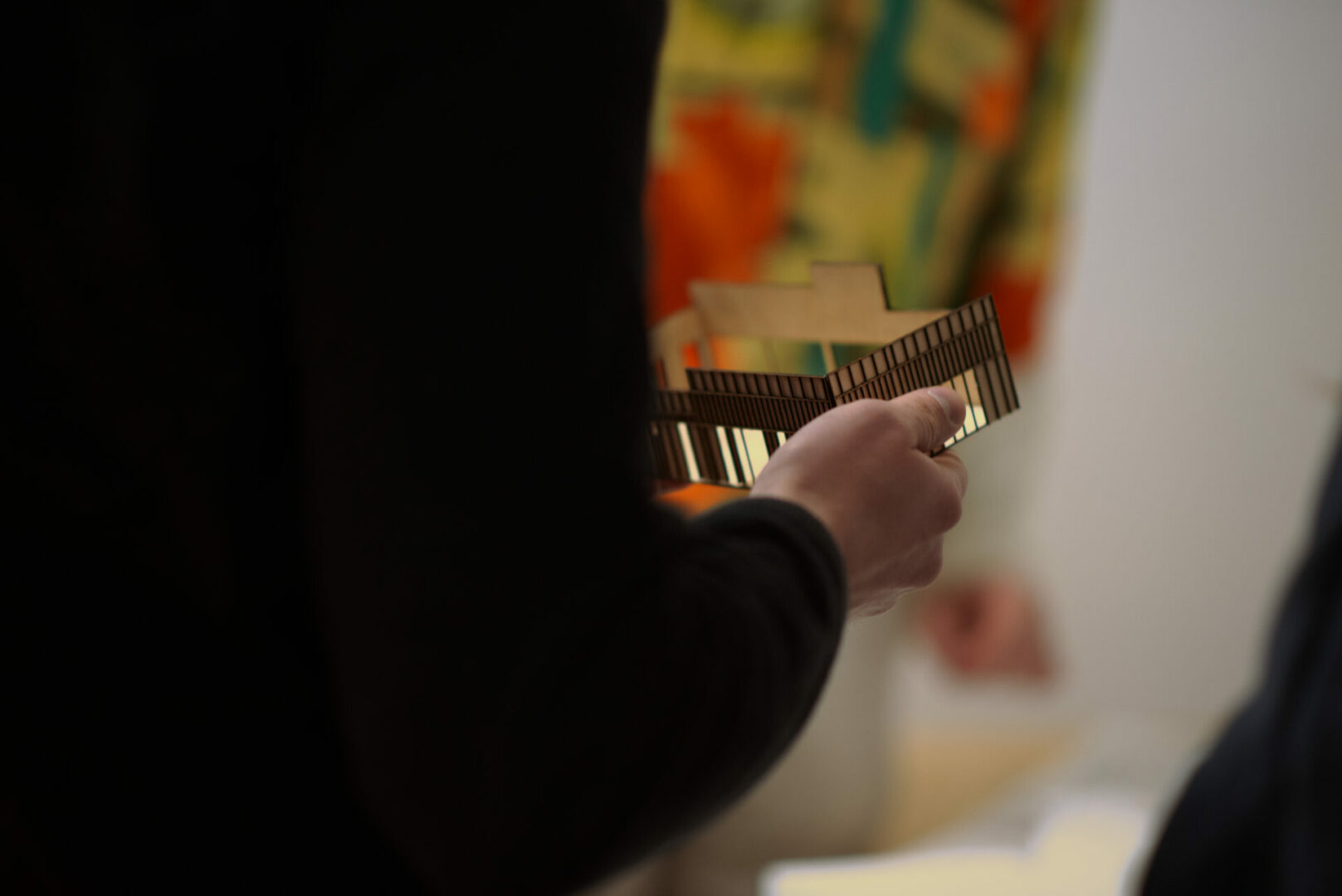
Students studying under the studio-based system are fortunate to have not only their own dedicated workspace and storage for projects but also workshops directly connected to the studios, providing the technical facilities necessary for studio design work.

3. The Studio as an Entry into the Professional Environment

An experienced architect understands better than anyone the power of teamwork. Have you noticed that an architect presenting a project rarely says “I” and almost always says “we”? And in project descriptions, the names of at least a few colleagues are always included. Teamwork plays a crucial role in the success of a project. Architects consider architecture one of the most collaborative professions in the world.

Teaching students to work collectively—especially in the 21st century, when individualism is prevalent—is a real challenge for instructors. In the studio, students work in groups on various tasks, such as creating models, preparing research documentation, studying specific case studies, and presenting team projects. These activities help students develop strong teamwork skills. Through studio projects, students also cultivate leadership abilities and become more tolerant of different perspectives.

4. Teamwork

The studio-based system allows students to meet many distinguished architects through studio teaching, guest lectures, and reviews. The studio gives students the opportunity to build their professional network while still studying—a possibility that is rarely available in traditional teaching systems.

Guest lecturers and critics help students approach their design assignments from a fresh perspective, highlighting challenges and opportunities they might not have considered. Students also have the chance to stand out through well-researched, high-quality studio projects that receive recognition from experienced architects.

5. A Platform for Experimentation and Innovation

The studio is a laboratory for new ideas. One of the most productive aspects of studio culture is its diversity and informality. Many of the best ideas emerge not during formal classes, but through discussions in the studio outside of scheduled sessions. This freedom for creativity and experimentation gives rise to new approaches and design philosophies.

A notable example is Shigeru Ban, the Japanese architect, who experimented with cardboard during his student years, became a master of the material, and has since demonstrated that paper tubes can be an effective material for low-cost shelters in cases of natural disasters and wartime destruction.

6. Time Management and Architectural Project Planning

According to David Chipperfield, the Pritzker Prize-winning architect, “The difference between good and bad architecture is the time you spend on it.” An architect’s life revolves around constant deadlines. The ability to value, allocate, and use time effectively is key to achieving high-quality results.

Studio projects provide students with this sense of rhythm and time management. The studio operates according to a structured schedule, where each student receives a specific task to complete within a set timeframe. This environment helps students learn to manage both their working hours and their time for rest effectively.

7. Mentorship

In the studio, almost daily interaction with instructors, along with weekly or monthly evaluations, maintains a regular design process. This environment helps students more easily find solutions. In architectural schools, instructors are often referred to as tutors. Tutors act as facilitators and mentors, guiding students through the learning process rather than simply teaching them. They help students acquire the necessary knowledge, skills, and competencies.

There is a close relationship between instructors and students. Often, this setup creates a two-way learning process, where the instructor—always a practicing architect—shares knowledge through their experience, while students can propose unconventional solutions and technological innovations.

8. Healthy Competition

The architectural profession is closely tied to constant competition. Architects operate within the constraints of rules, regulations, and the needs or desires of clients. Typically, new projects are awarded through competitions, which involve a rigorous process of selection, setbacks, and successes.

Architectural schools must prepare students for the realities of the profession, including the pressure and intensity of competitive processes. The studio-based system fosters this preparation. Frequent interim reviews and final critiques, often involving external experts, motivate students to give their best, remain curious, strive for excellence, and learn from one another.

9. The Studio as a Space for Dialogue and a Culture of Respect

Architectural schools view the studio as a place for discussion of architectural ideas, where different perspectives can coexist. The studio system provides students with a social environment in which they learn to present, critique, respond to feedback, and collaborate. This interaction—whether student-to-student or instructor-to-student—helps students become confident public speakers. Studio-based learning encourages students not only to participate but also to initiate dialogue.

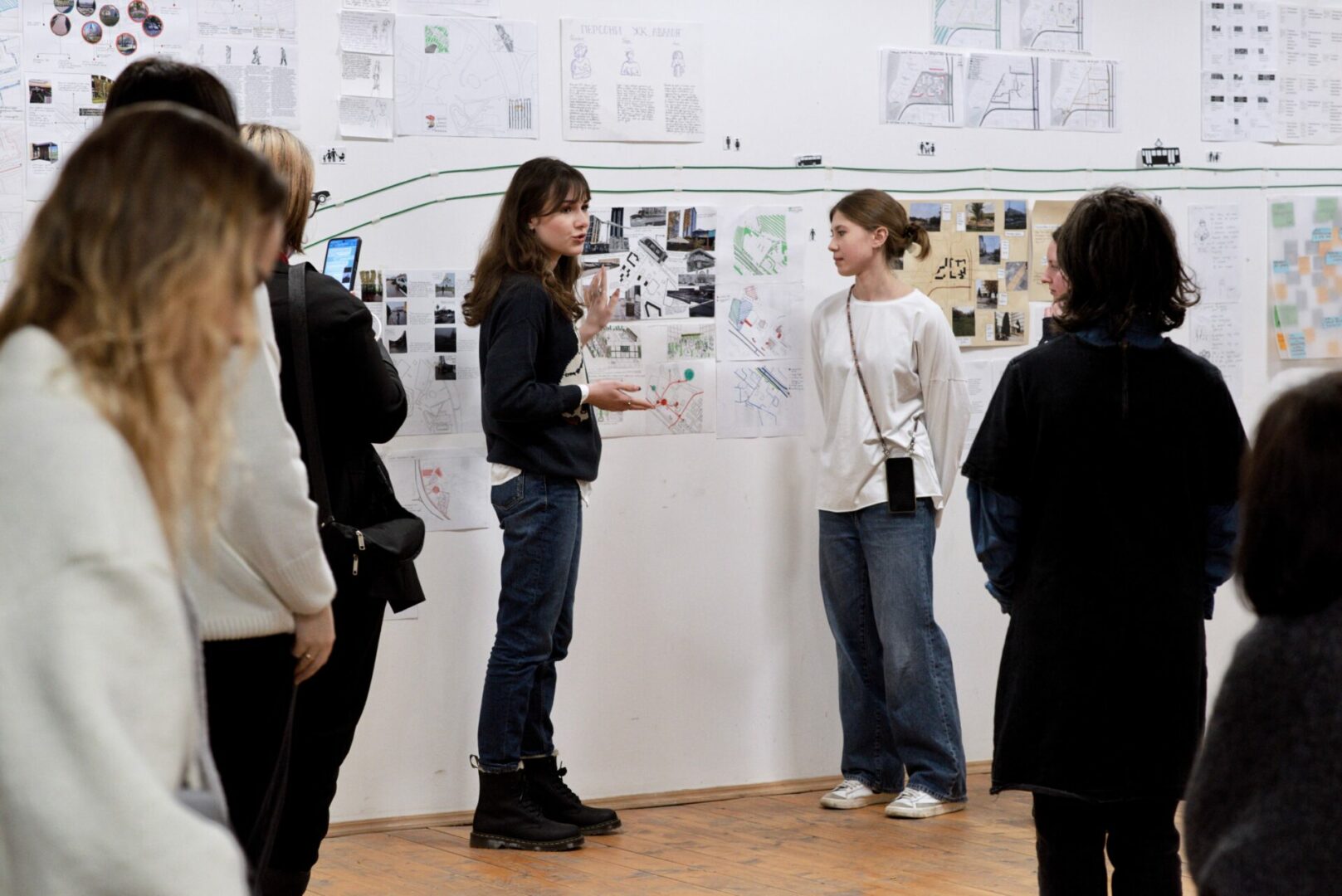
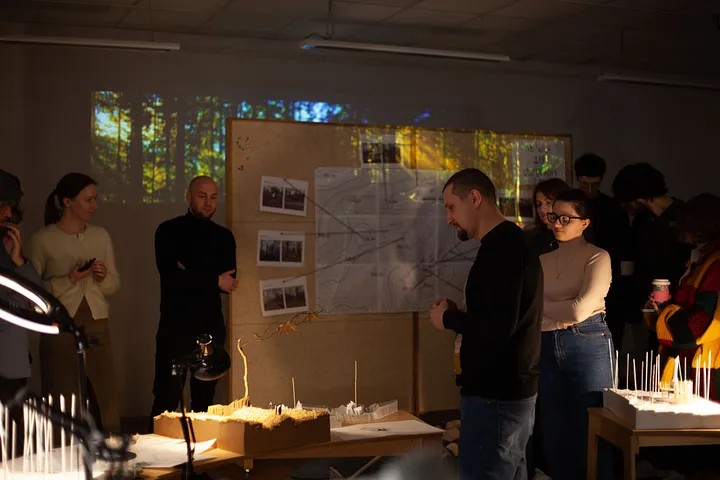
Regular reviews and critiques of student work are an essential methodological component of design education. Beyond assessing student progress, these reviews serve as a valuable forum for public discussion. Conversations and debates that take place during reviews between instructors, invited critics, and students are an integral part of the learning process. Students from all years participate, which not only fosters respect and support among peers but also provides the opportunity to deepen their understanding. Every student benefits from the feedback given on another student’s work.

10. Interdisciplinary Approach and Interaction Between Disciplines

Work in the studio begins with a clear definition of the problem, continues through research to identify relevant data, and concludes with empirical testing and the development of solutions. It engages a wide range of skills, from research and conceptualization to drafting and model-making. The studio encourages students to work with a broad spectrum of media, to understand design as a process, and to view the presentation of results as an essential part of that process.

Studio work draws on material from the entire curriculum. Architectural education programmes integrate content from technical and humanities disciplines, construction technologies, history/theory, and professional practice for practical application in the studio.

Article author: Iryna Matsevko, Vice-Rector of the Kharkiv School of Architecture